Dark literary speculative fiction

John J. De Bruijn

Stories about the cage, the root beneath it, and the moment obedience begins to fail.

From the Prison Earth novels to URUZ and Darkworld, these books explore systems, memory, confinement, myth and refusal — worlds where control rarely needs chains when it can use language, ritual, procedure and time.

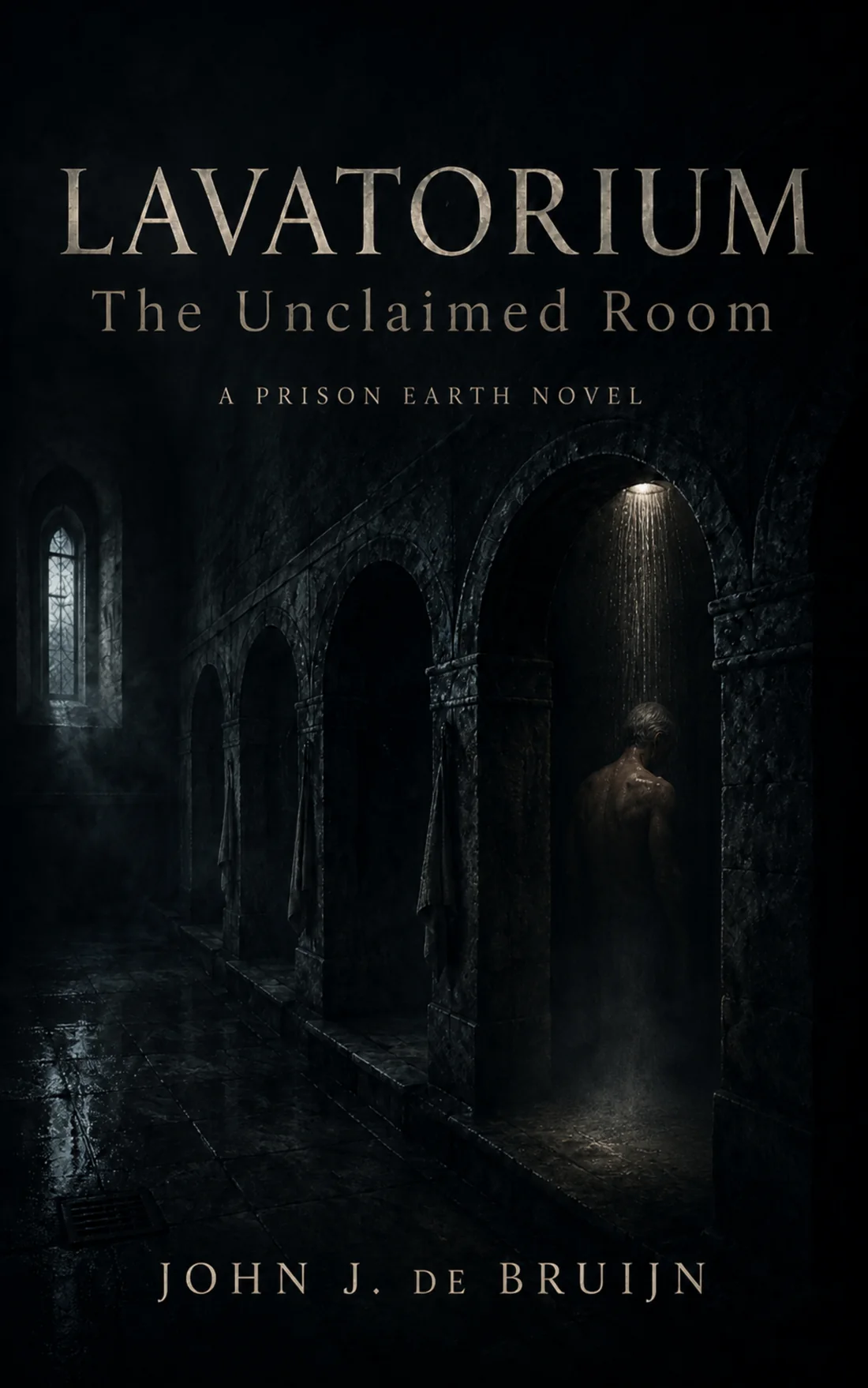
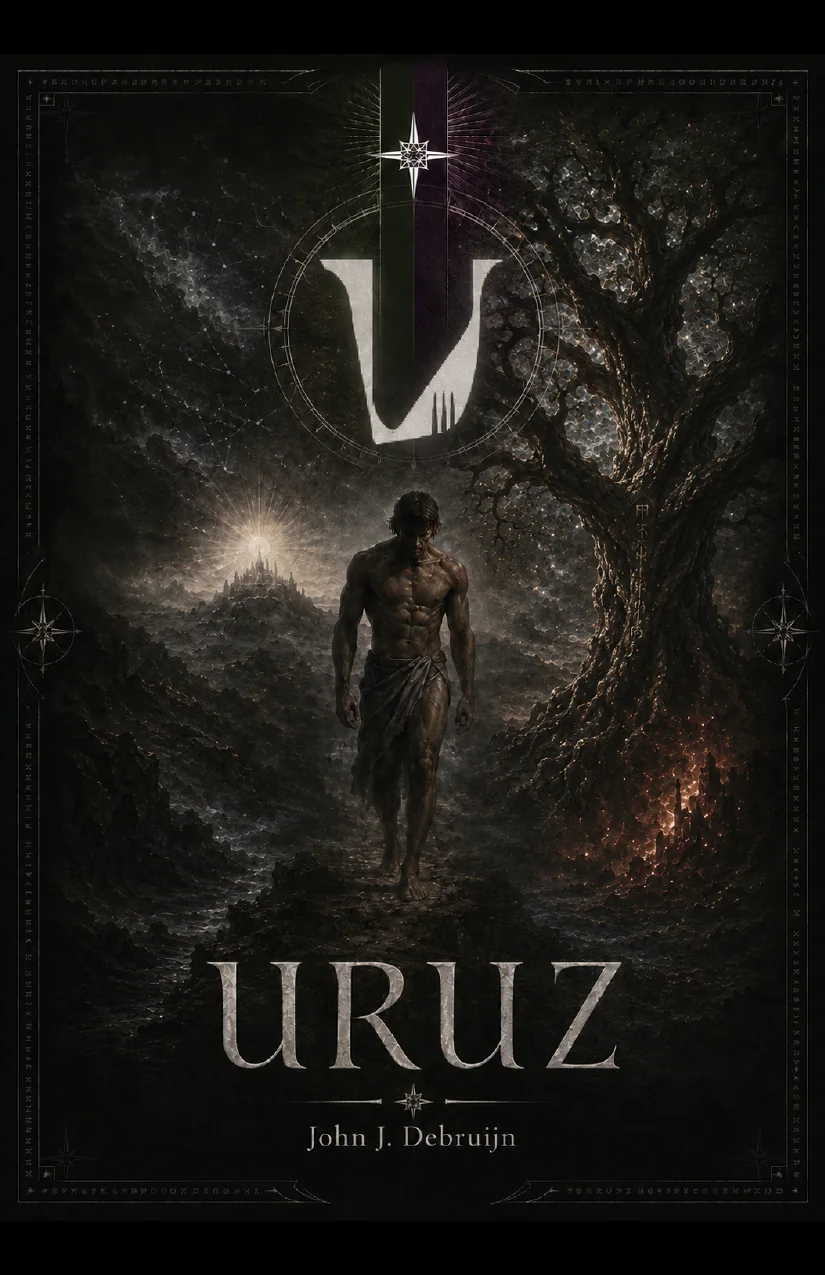
Cover of Normality by John J. De Bruijn Cover of Lavatorium: The Unclaimed Room by John J. De Bruijn Cover of URUZ by John J. De Bruijn
Prison Earth

The prison is rarely only a building.

In the Prison Earth novels, ordinary lives begin to fracture under the pressure of something vast but rarely named: a world that does not need chains when it can use procedure, comfort, optimisation, shame and delay.

These are not stories of escape from another world. They are stories of recognition inside this one — of people who sense that something is wrong long before they can prove it.

The works

Separate books. One pressure against the cage.

The books can be read separately, but together they form a larger portrait of realities built to normalise, delay, measure, harvest and consume those who begin to remember.

Prison Earth novels

Five doors into the same hidden structure.

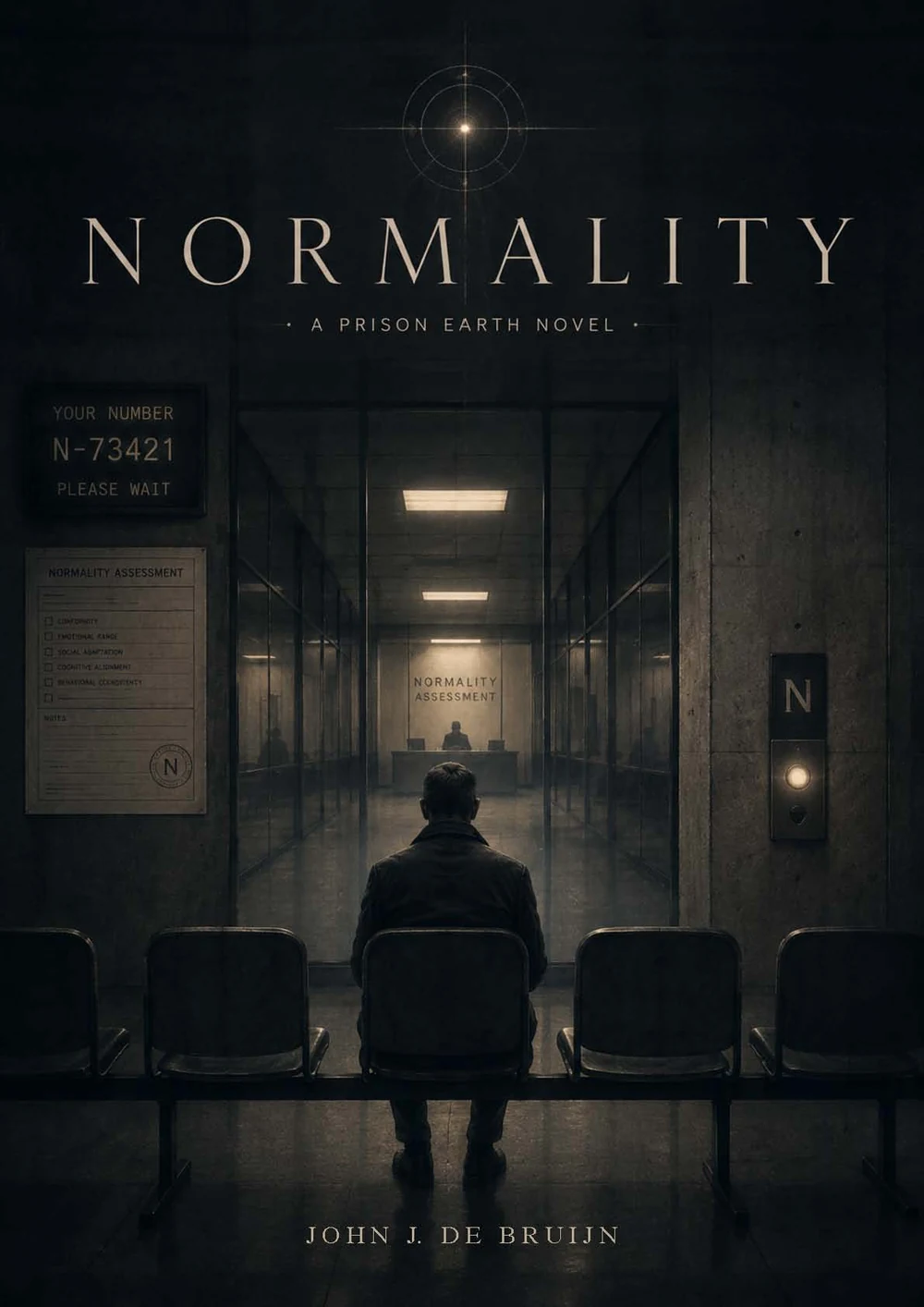
Normality book cover

Book I · Available now

Normality

The world did not become strange. It became too normal.

Elias Verne has spent his life doing what is expected: correcting files, answering messages, attending appointments, staying useful. When a letter marked Normality appears on his kitchen table, it looks at first like a bureaucratic error.

Then his calendar starts making appointments for him. Documents begin to edit themselves into safer language. Refusal becomes a category.

Available on Amazon
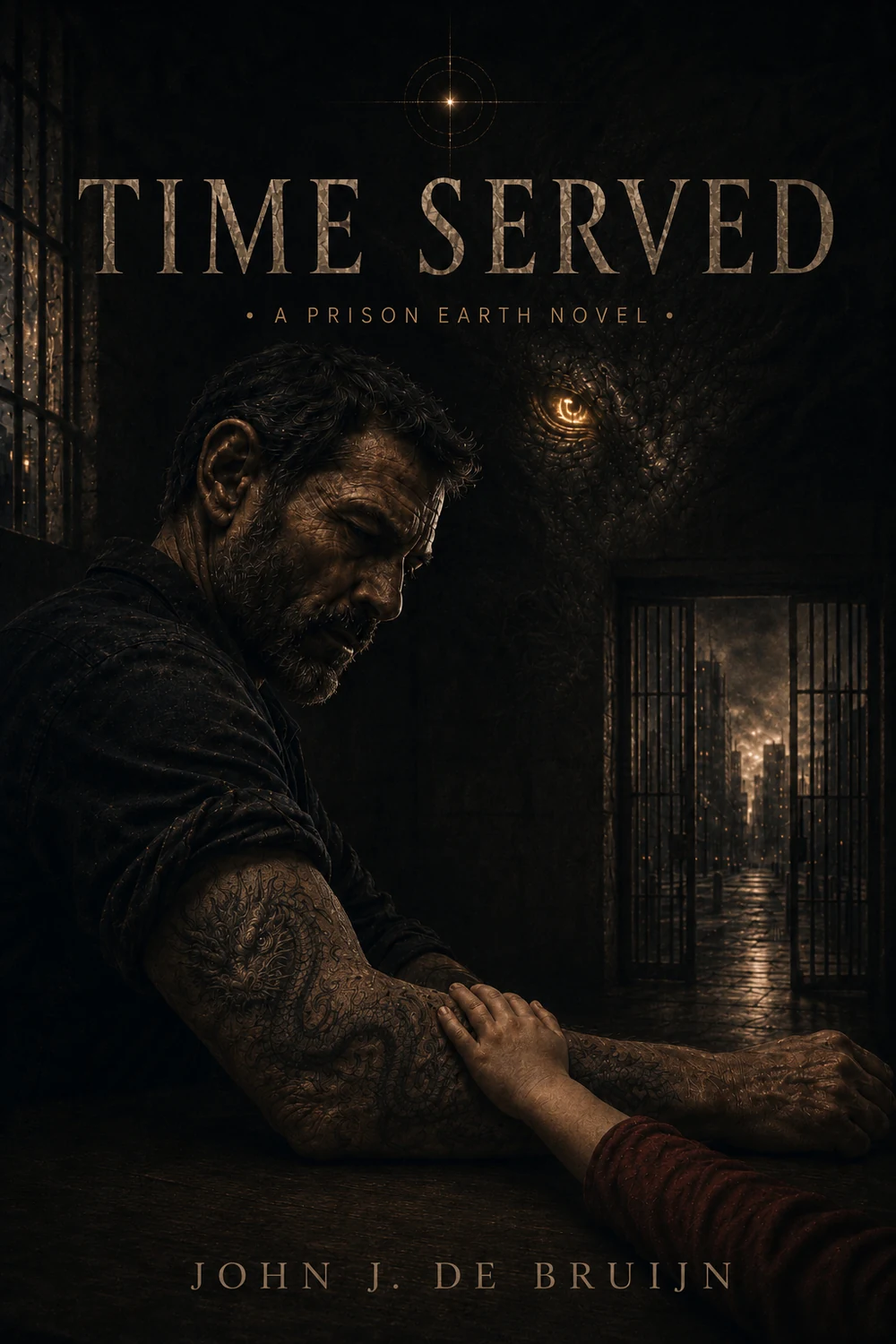
Time Served book cover

Book II

Time Served

Release is not the same as freedom.

Six days out of prison, Toren Kandel is asked to watch Noa, a child waiting in a flat where food is promised in five minutes and rarely arrives. Her mother is slipping into the orbit of Hourglass, a drug sold to people who want time off from their own lives.

As old debts resurface and Noa is drawn closer to the systems that already failed her, Toren must decide whether survival is enough — or whether the time left to him can still be used to interrupt what waits behind the door.

The Assignment Programme book cover

Book III

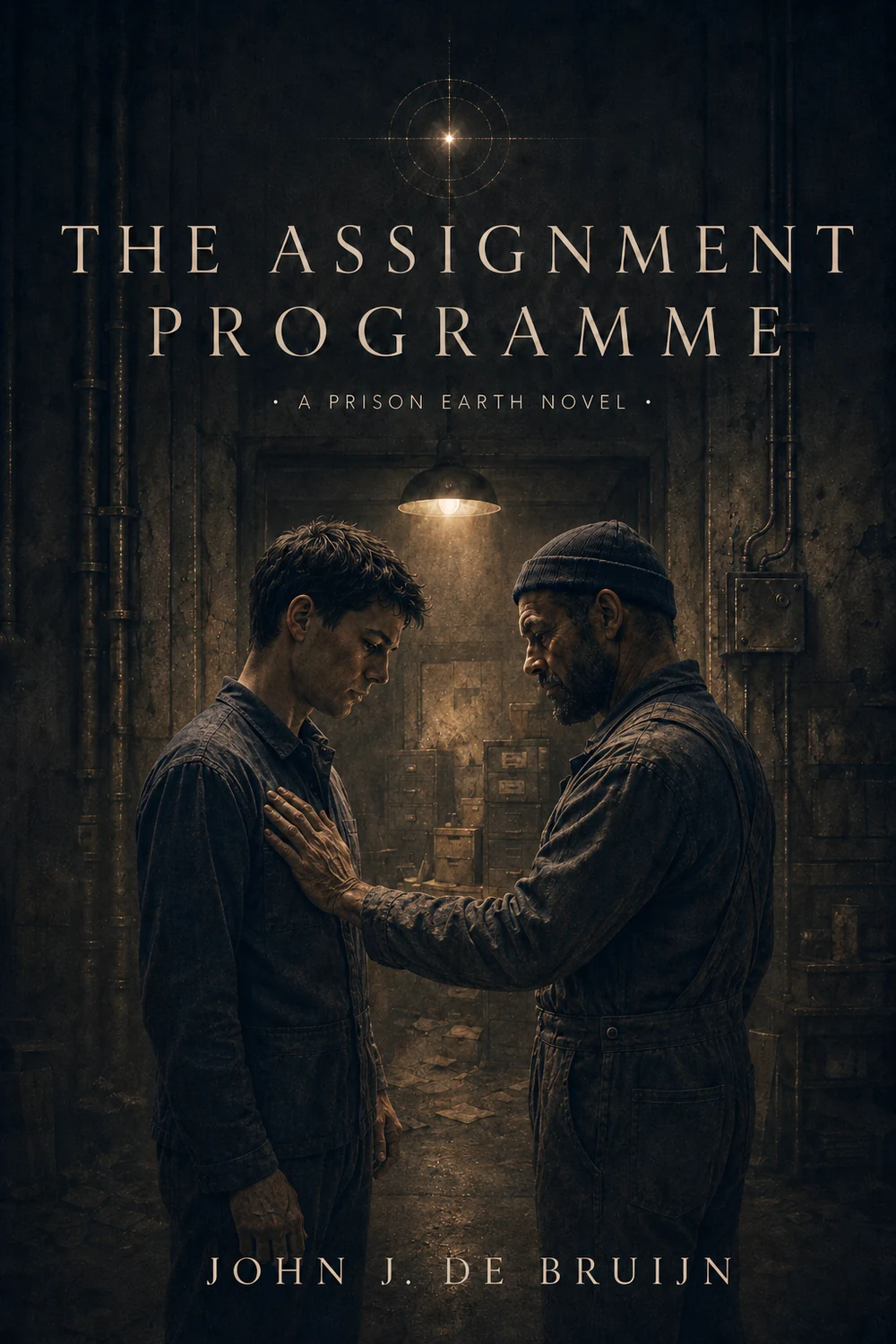
The Assignment Programme

Some records do not describe the past. They prepare it.

An old civic annex is scheduled for demolition. Inside its lower rooms, a young worker finds traces of a programme that appears to have recorded lives before they were lived — including details too close to his own to dismiss.

With an archivist as his witness, he follows the residual trace of a system designed to assign futures, erase proof and leave only recognition behind.

The Ring Answered No book cover

Book IV

The Ring Answered No

The body knows when a system is asking it to lie.

A boxer returns to the ring carrying more than injury, memory and pride. Around him, people speak of discipline, recovery, usefulness and winning; the ring answers with a quieter verdict.

A Prison Earth novel about refusal, shame, violence, care and the moment a body stops cooperating with the story written for it.

Available now

Normality

The first Prison Earth novel is available in paperback through Amazon.

Buy on Amazon
Other worlds

Myth, darkness and worlds beneath worlds.

Beyond the Prison Earth novels, De Bruijn’s fiction expands into mythic dark fantasy and shadowed secondary worlds.

URUZ book cover

Mythic dark fantasy

URUZ

As told by Imrak-Sol, the man who does not trust the light.

In Khar-Tazek, bodies are measured, named, whitened, harvested and erased. But beneath the city, older truths still move.

URUZ — Book of Imrak-Sol is a dark mythic fantasy of ritual power, sacred ownership and the buried memory of those who were made to kneel.

Darkworld book cover

Darkworld

Darkworld

Some worlds are not entered. They open under you.

A dark speculative series of hidden realms, broken inheritances, forbidden thresholds and the terrible persistence of meaning.

Darkworld stands apart from Prison Earth while sharing its central pressure: the sense that reality has a deeper architecture, and that recognition may be more dangerous than ignorance.

“His fiction begins where freedom fails to arrive.”

The author

John J. De Bruijn

John J. De Bruijn writes dark literary speculative fiction about systems, memory, confinement, myth and refusal.

His Prison Earth novels explore a world where control rarely needs chains. It uses forms, appointments, corrected language, dependency, routine and the quiet pressure to remain useful.

In De Bruijn’s fiction, horror is not always found in monsters or ruined cities, but in waiting rooms, archived files, domestic promises, medical records, rituals and ordinary procedures that slowly begin to think for themselves.

Blending psychological realism, bureaucratic horror, mythic dystopia and anamnetic speculative fiction, his work follows people who sense that something is wrong with the world long before they can prove it.

Prison Earth Press logo
Prison Earth Press

A quiet imprint for books about the cage that calls itself normal.

Prison Earth Press presents literary speculative fiction, bureaucratic horror, mythic dystopia and psychological dark fantasy in restrained, atmospheric editions.

Contact

Publication enquiries, review copies and rights.

info@notagreymouse.com